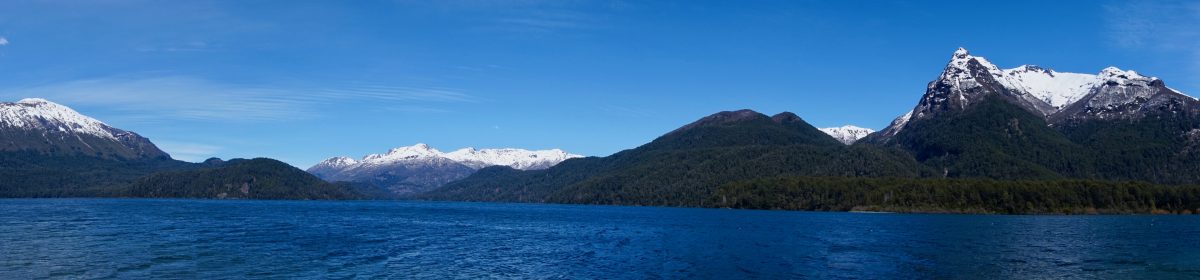
Route: Vivar del Cid – Burgos – Covarrubias – Santo Domingo de Silos – Langa de Duero – El Burgo de Osma – Sigüenza
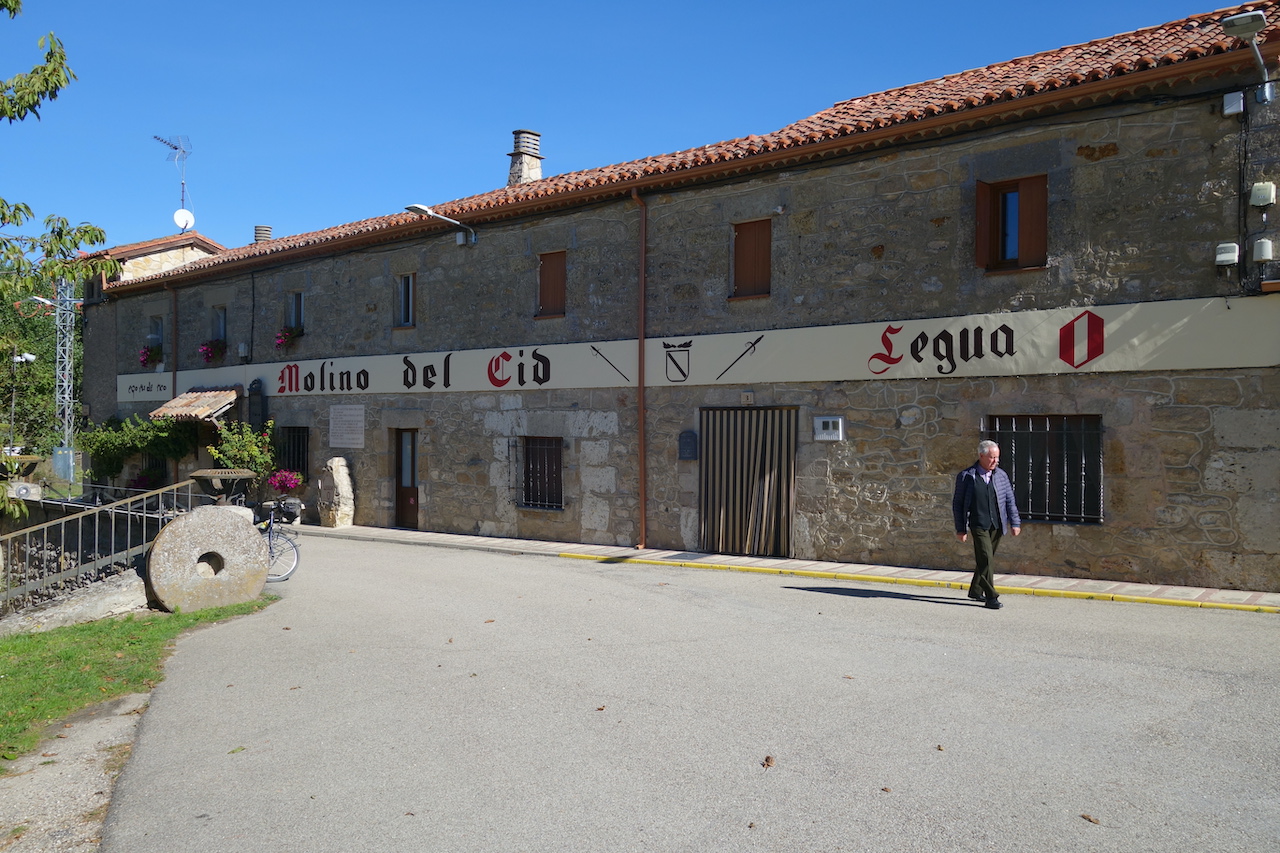
On my day of departure from Burgos, I first rode north out of town towards Vivar del Cid, a little village with nowadays abt 140 inhabitants. This is the place of birth of Rodrigo Díaz in ca 1043. El cid is one of Spains national hero’s, a knight who fought for the Spanish kings. In 1094, he conquered Valencia after a 2 year siege. He ruled there until his death on July 10, 1099.


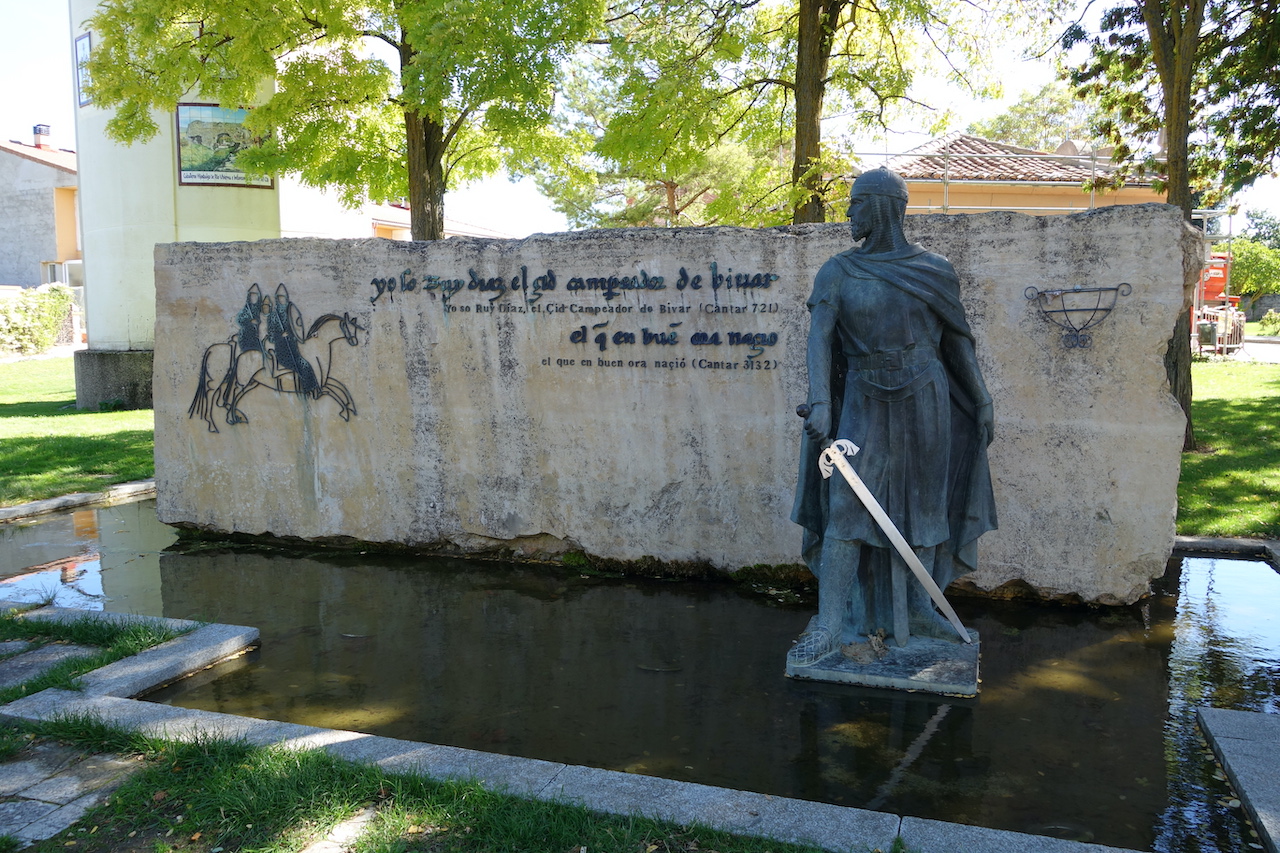
More about El Cid here.
In my whole cycling career, I have never seen a nicer or better documented website about a route as the one of El Cid, with plenty of possibilities, from routes by car, hiking routes, mountainbike routes, gravel options and road cycling options. You can combine as you wish. there are plenty of detours, shortcuts and the website and app are full with information, both in Spanish and English (Spanish version holds much more info). This is a site that cannot be improved.
You can visit it here.


After visiting Molino del Cid and the Convento de las Claris, I head back towards Burgos, load up my panniers and, after a visit to the local Decthlon store, ride out of town. First stop is the Monasterio de San Pedro de Cardeña. It houses the pantheon, where El Cid and his wife Doña Jimena were buried. Their remains were later transferred to Burgos.
What I didn’t know at my time of visit, but only learned later is that in March 2016, the very first Spanish Trappist beer (tripple) was produced in this monastery. In 2021 the second Spanish Trappist beer was bottled, Cardeña Doble (Double).


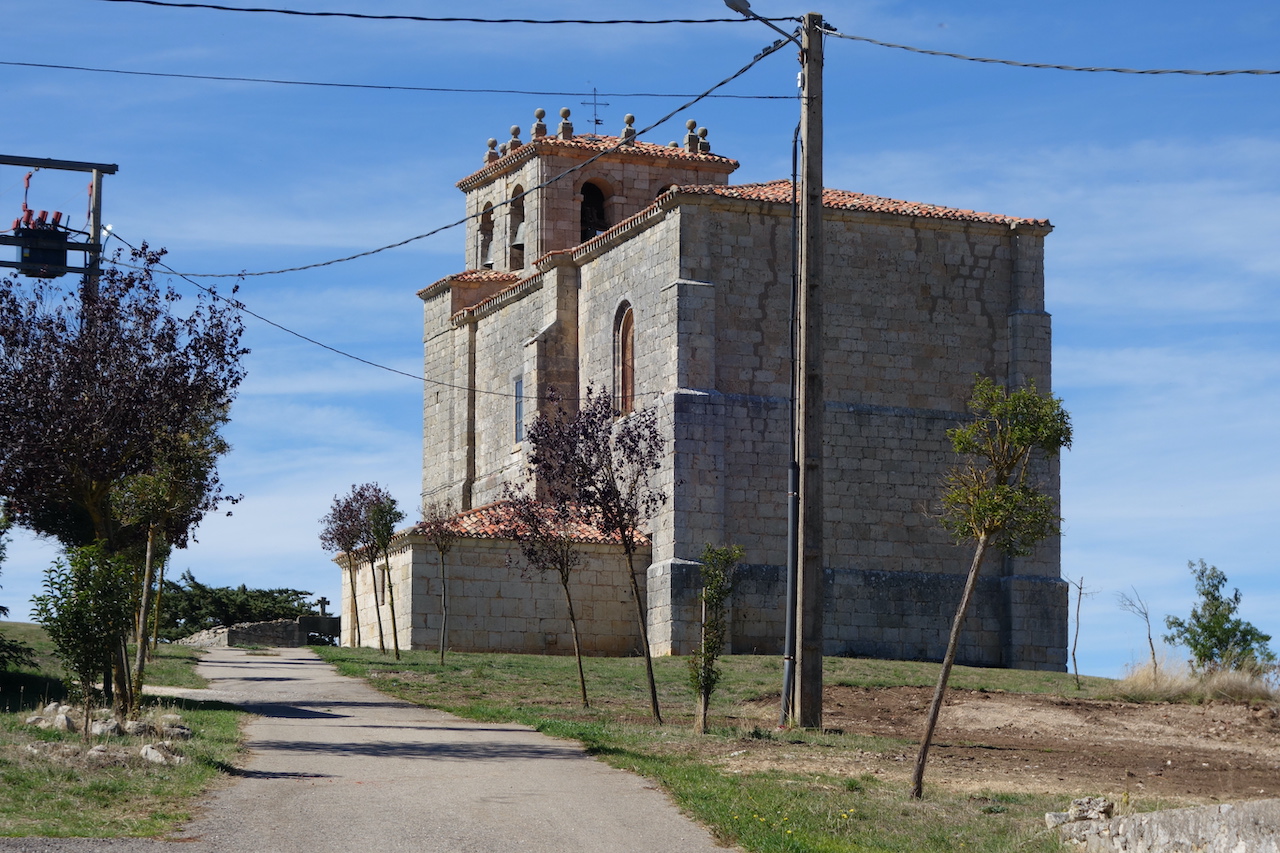
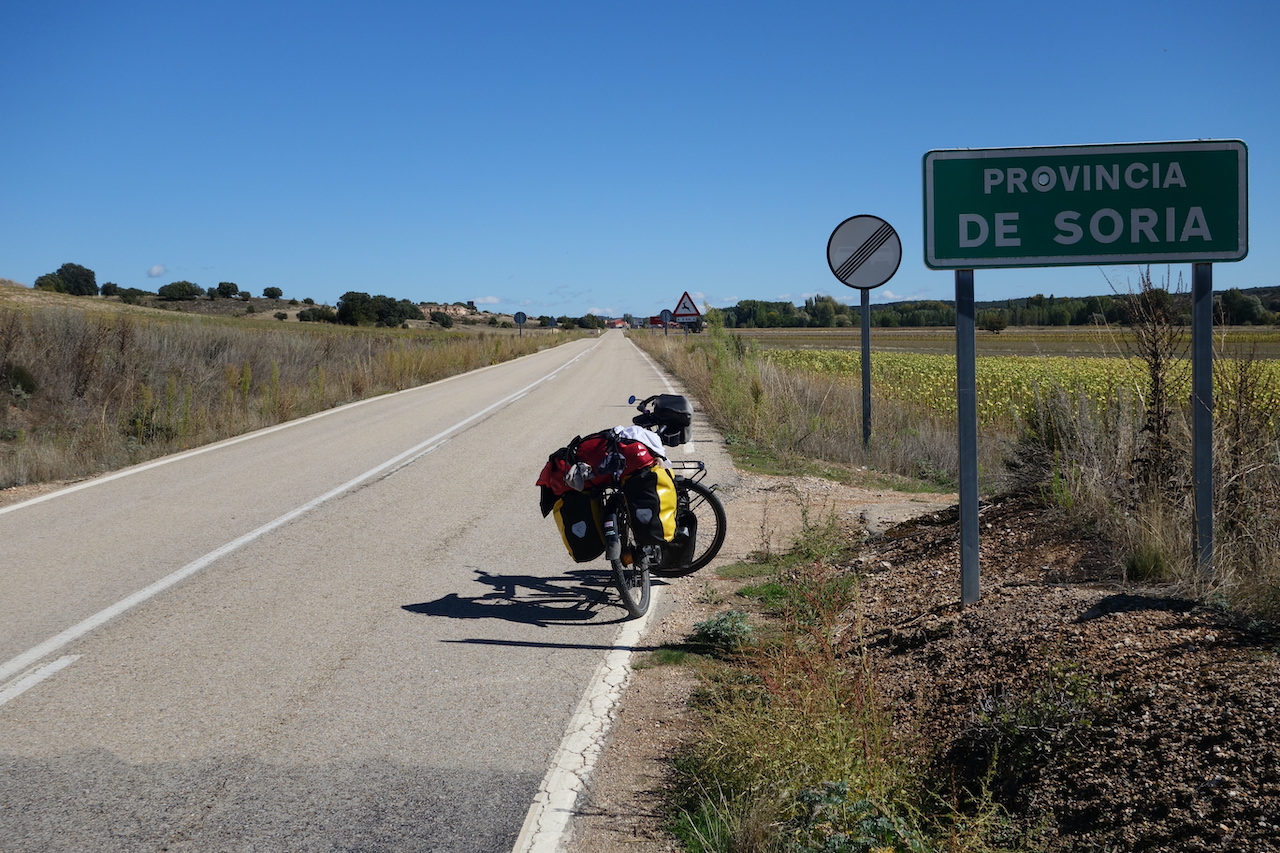
As I said, combinations between gravel and on road routes can be made easily, and that’s what I do. I cycle passed old churches, high rock cliffs with dozens of vultures. I get to ride another via verde (greenway), the Camino Natural Santander – Mediterraneo.

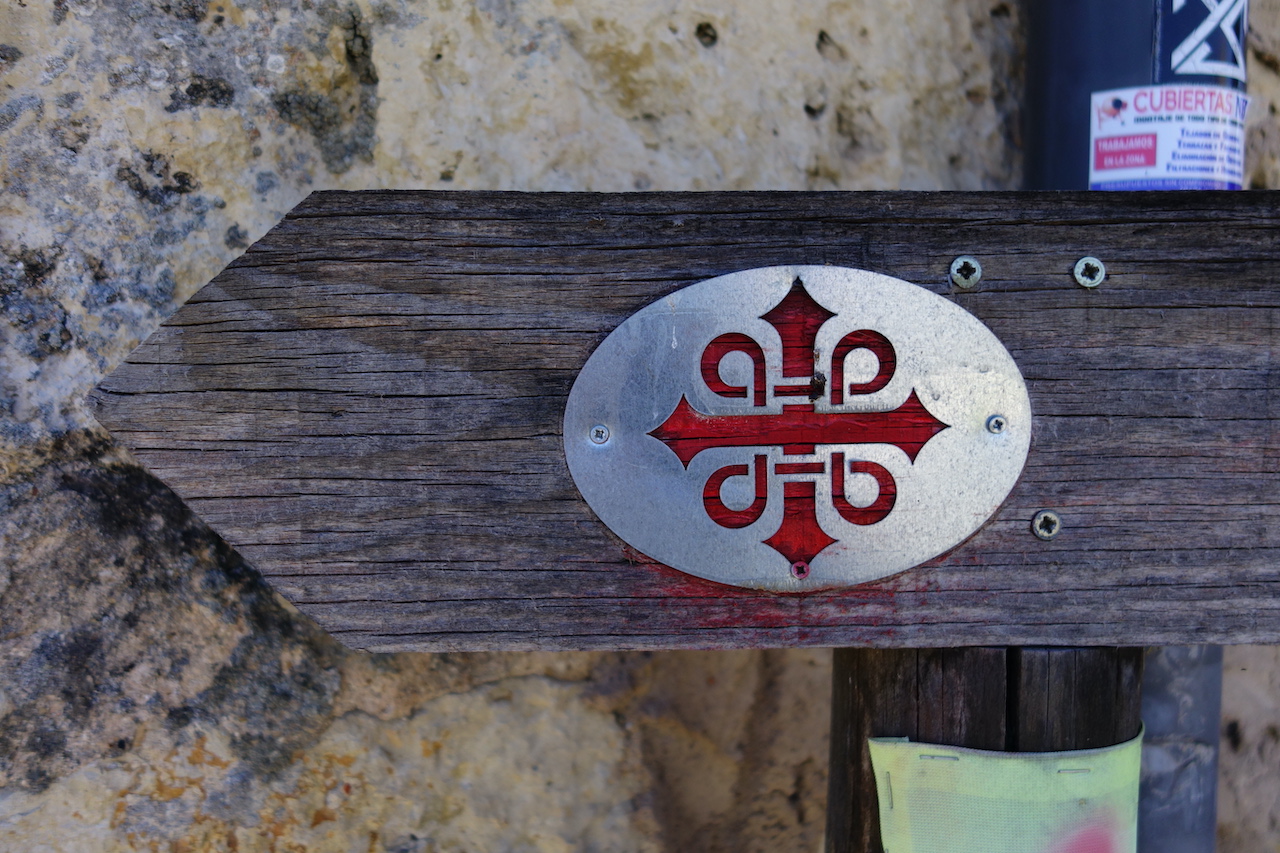
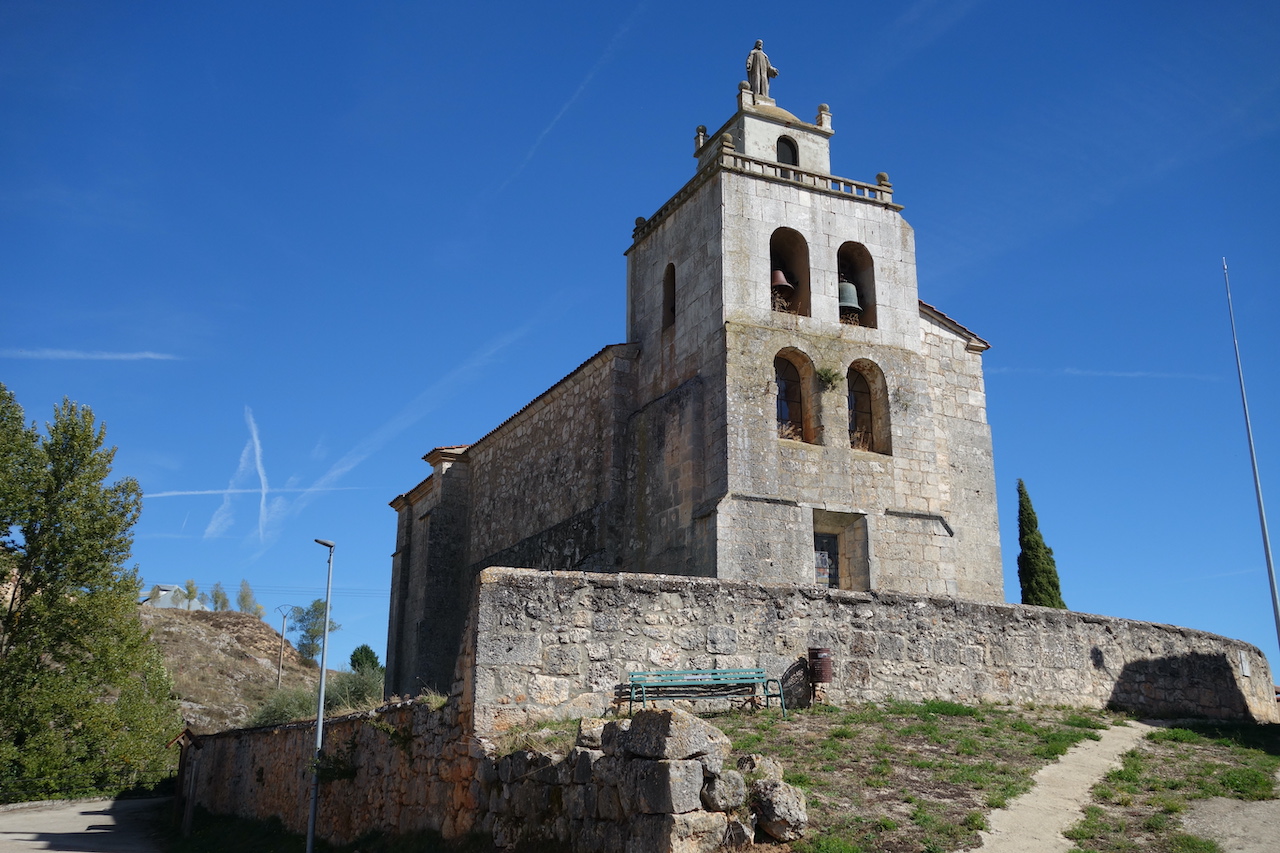
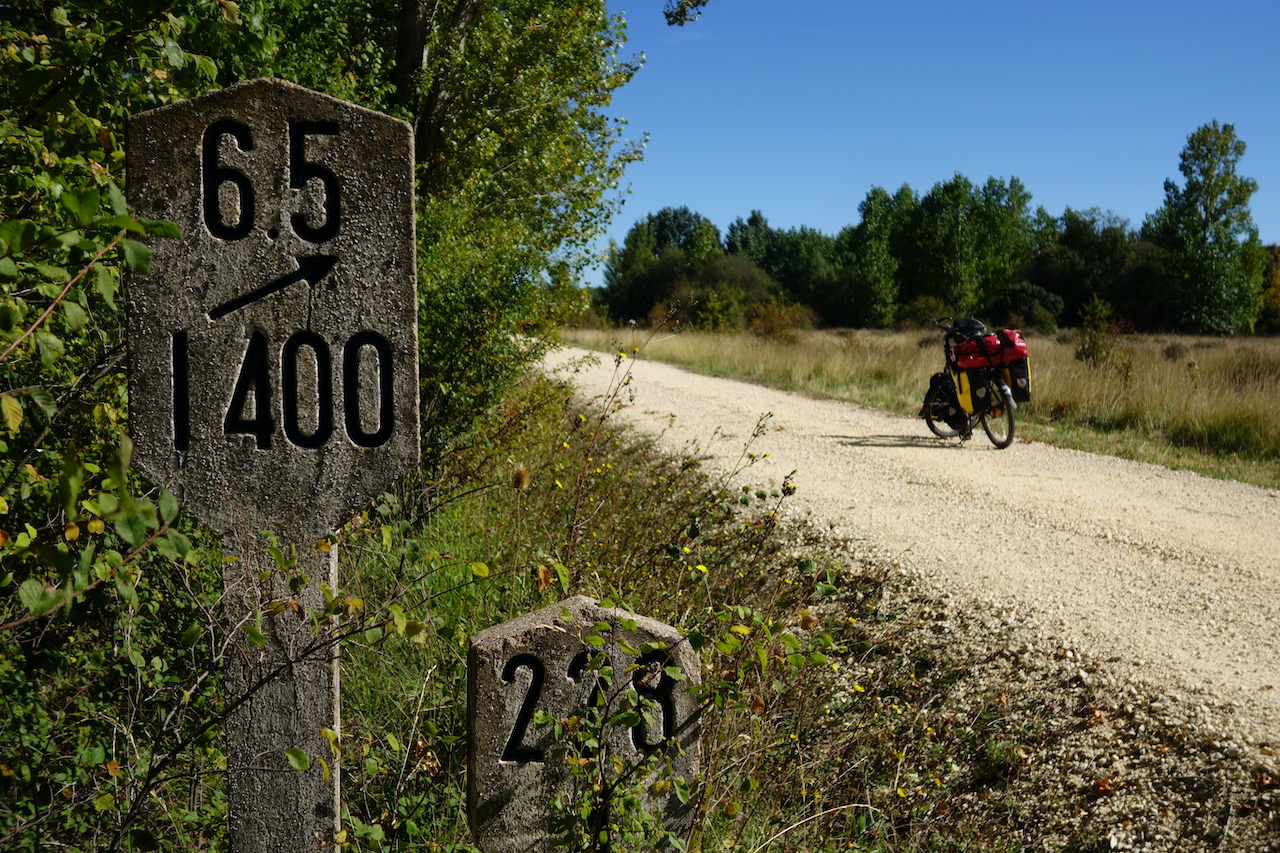
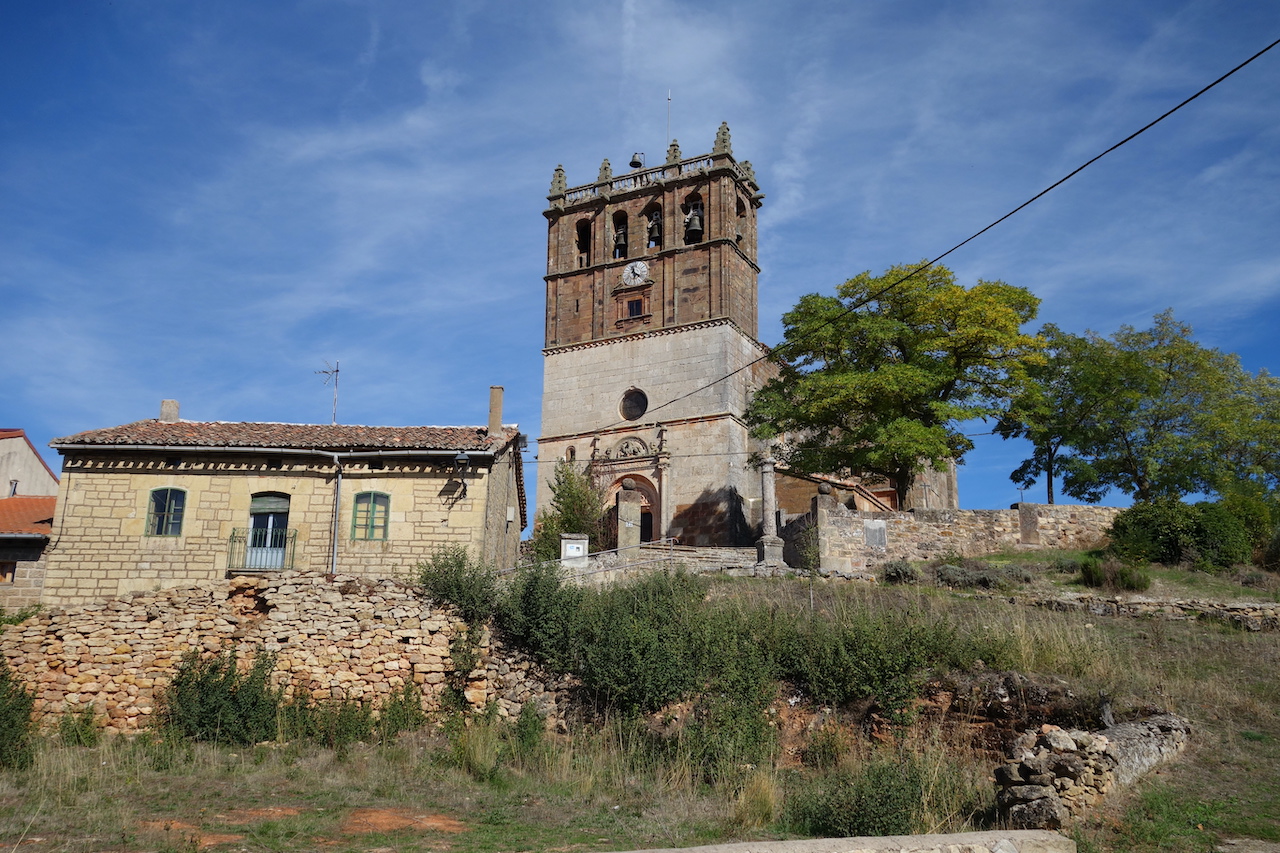

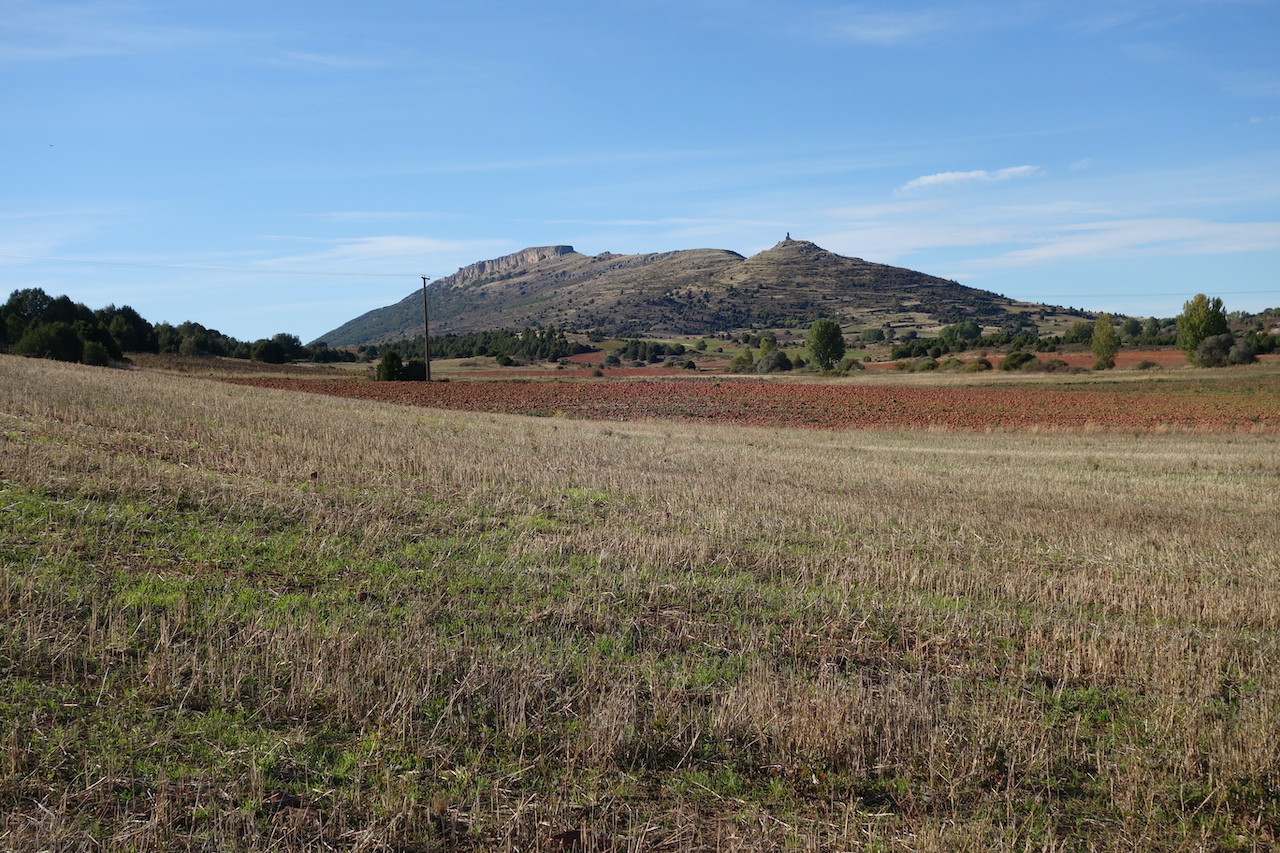
My first night on the Camino del Cid, I camped next to the Rio Arlanza. It took some time the next day for the sun to clear to clouds. My first stop of the day was Covarrubias, a small medieval town, on the list of ‘pueblos mas bonitos de Espana’. No supermarket here, but I find bread in a small shop, and some locally made cheese in another shop.
Covarrubias is already at an altitude of 900 meter, so it’s not a big climb towards Pena Alta at 1078 meter.

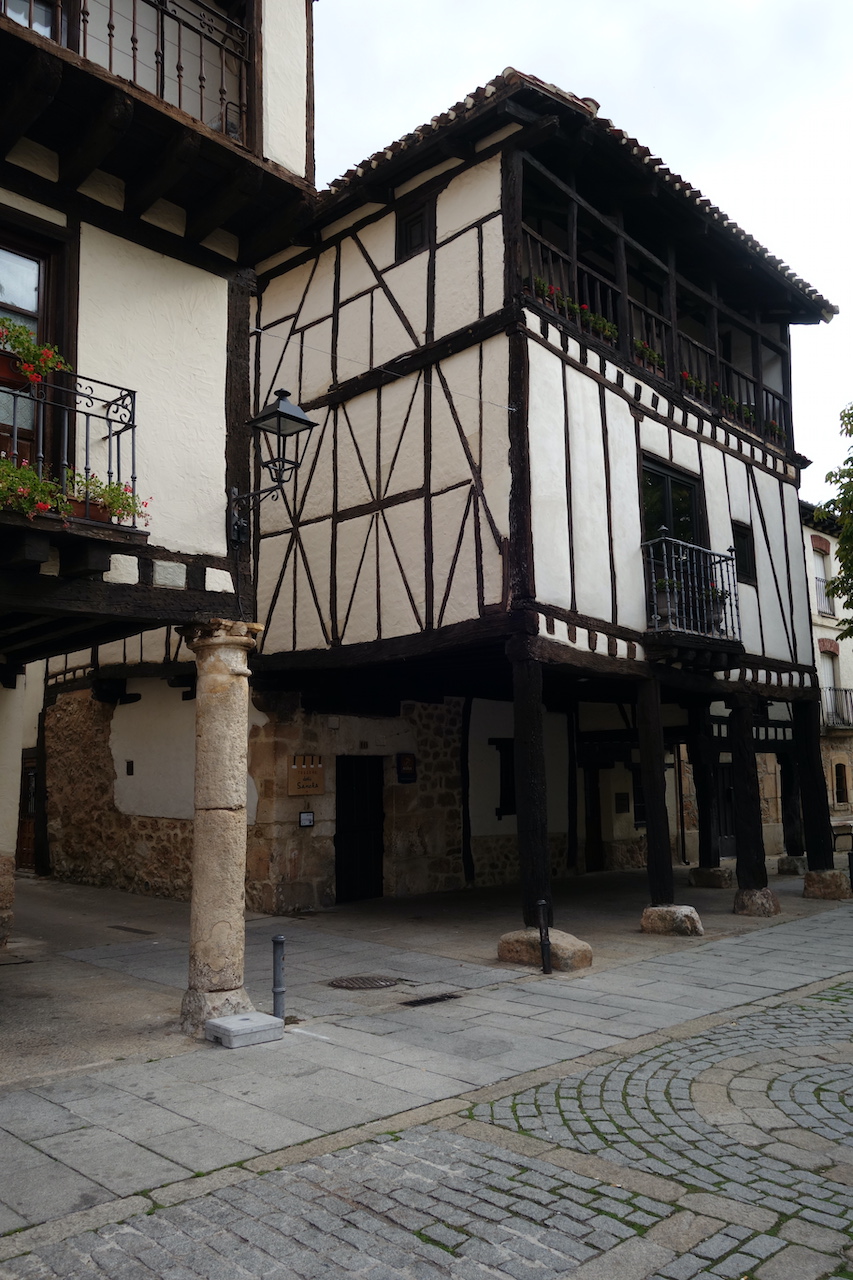
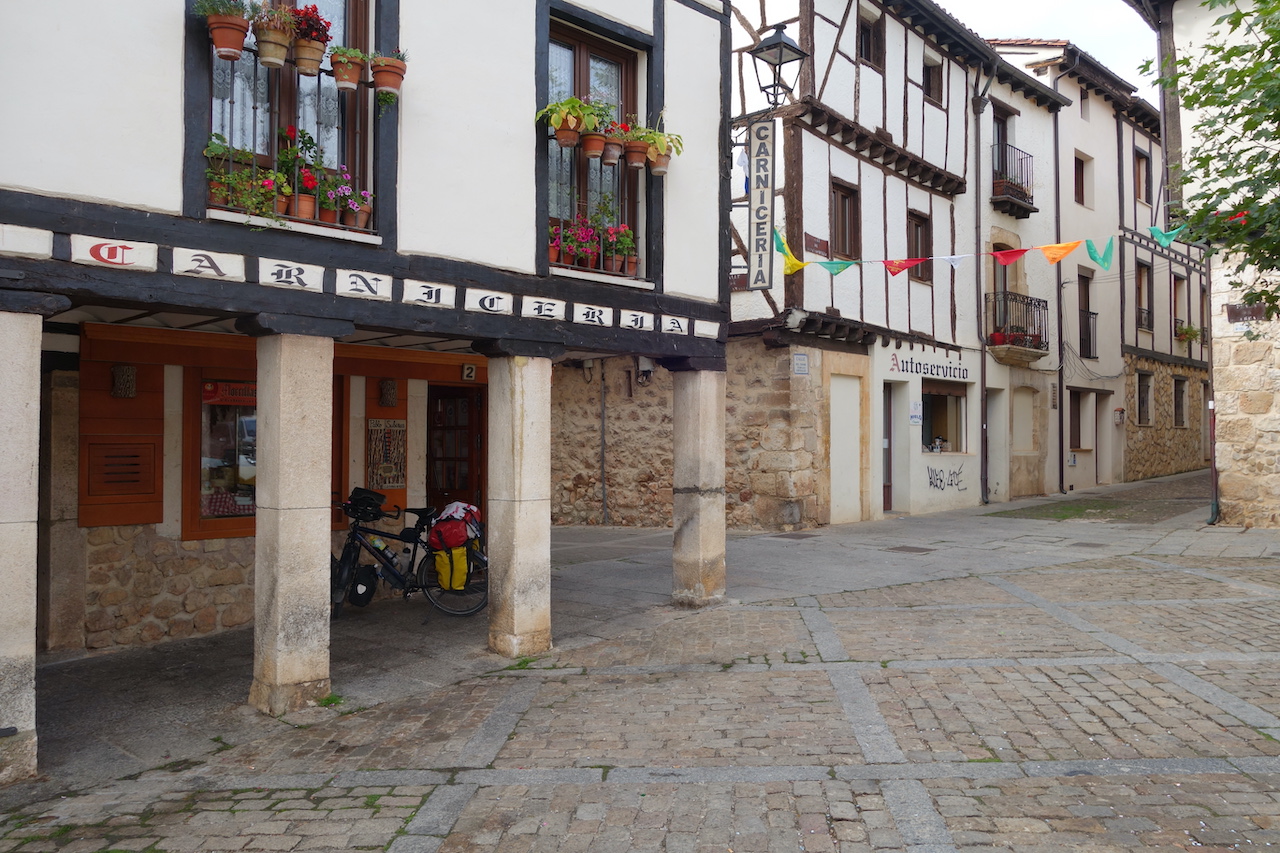

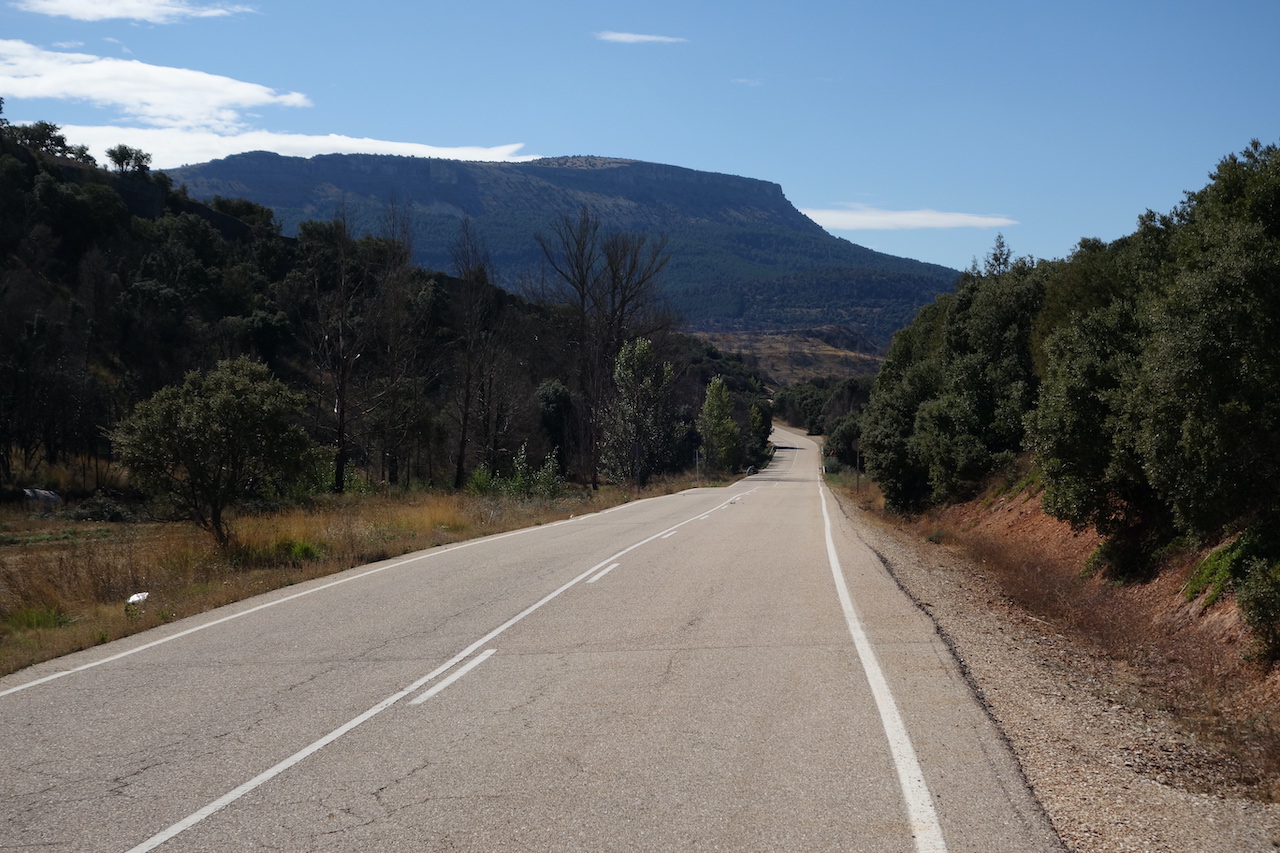
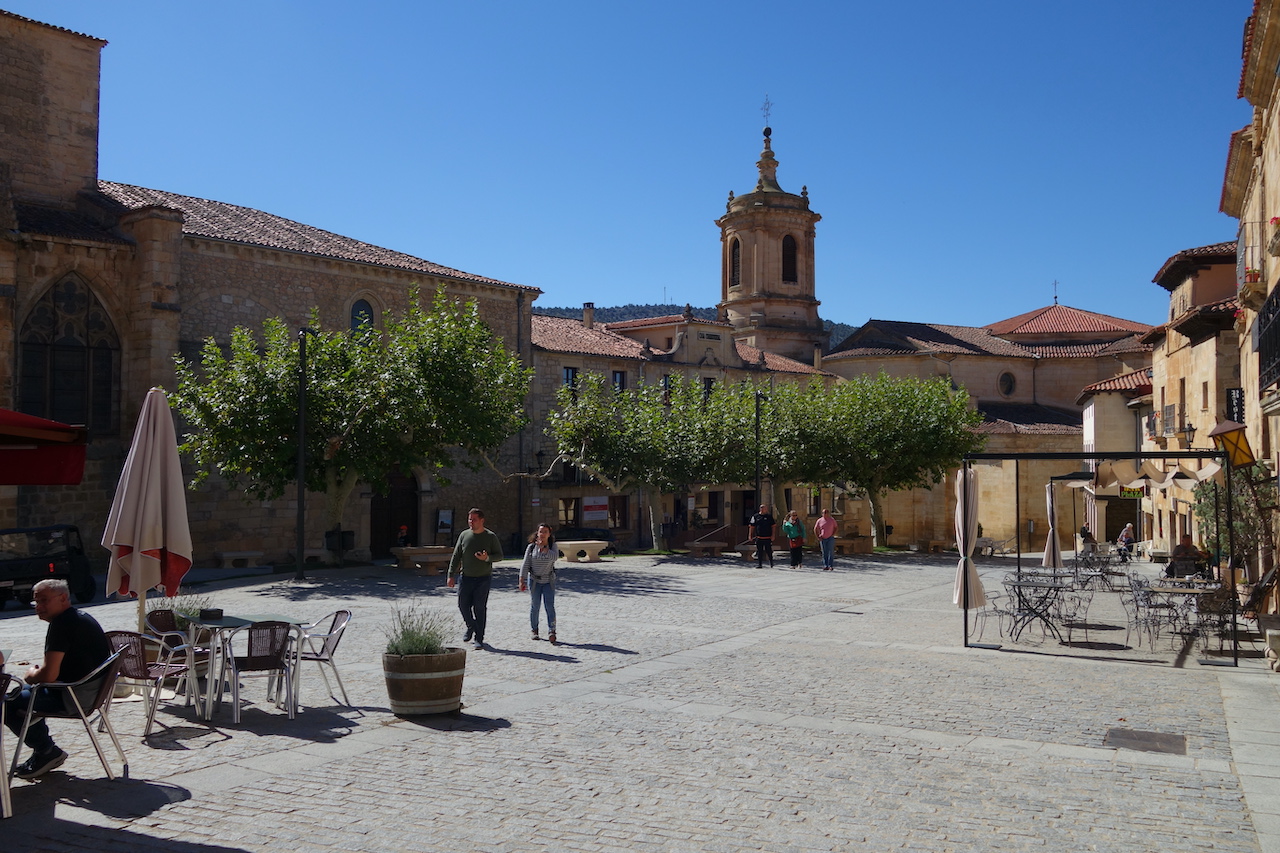
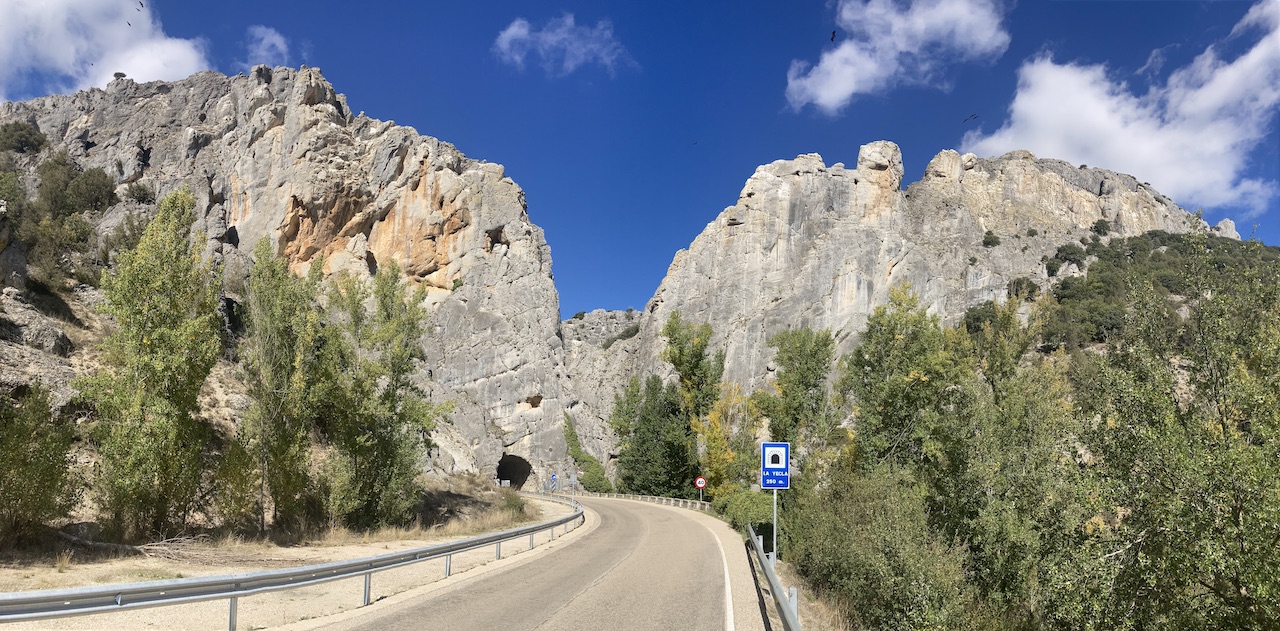
I arrived in Santo Domingo de Silos by lunch time. The town is famous for its monastery and the St. Peter’s church. After these medieval architectural marvel, follows a natural highlight, only a few kilometers out of town, the ‘Desfiladero de la Yecla’ a deep and narrow gorge with walls reaching 100 meter in height and about 1200 meters long, carved in limestone.
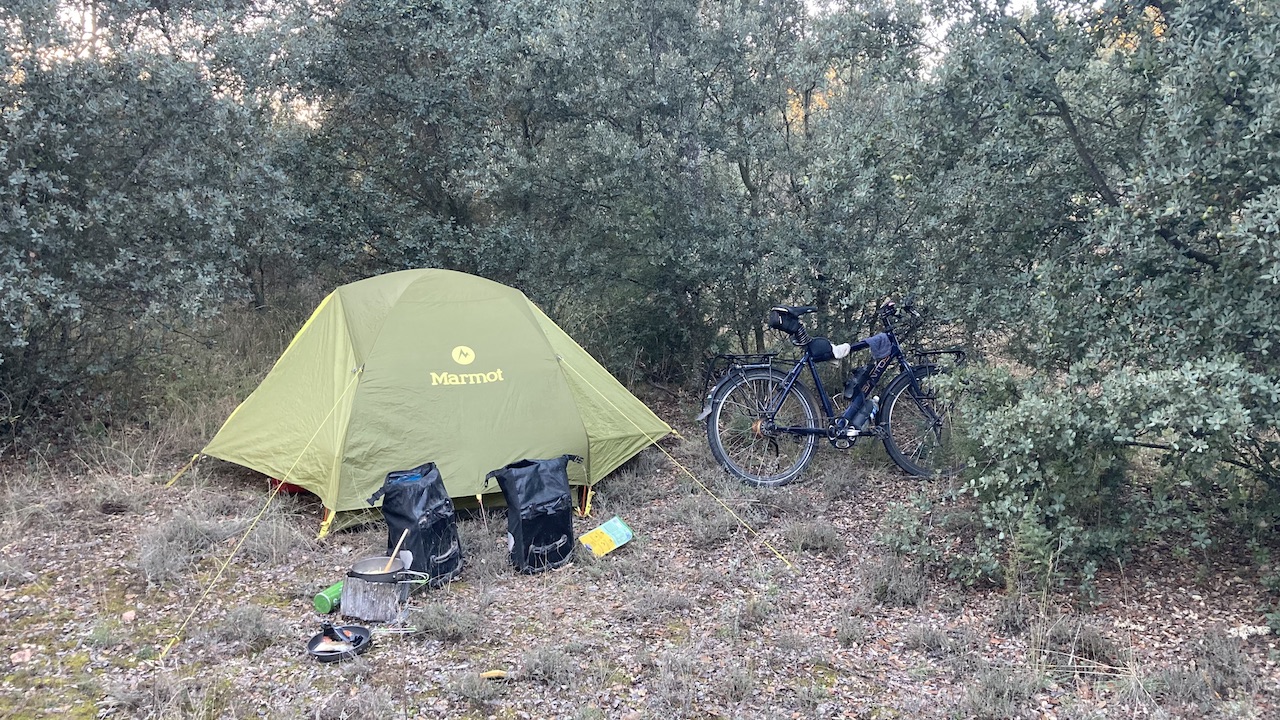
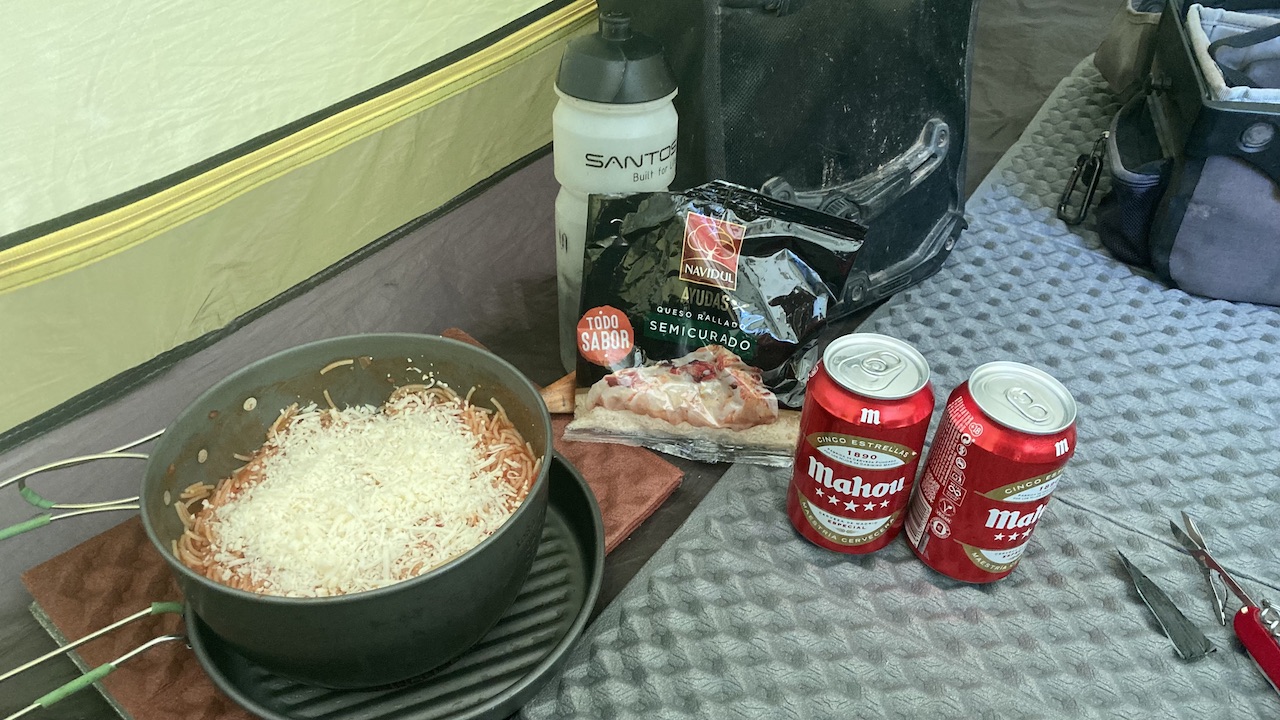
Next up is the little village Espinosa de Cervera, a place where El Cid and his men camped on their exile. Again, a lot of rain is predicted. In Caleruega I find a gas station with a decent shop attached where I can buy food and a few beers to sit it out. Only thing left was to find a spot to bunk down for the next 36 hrs which I found about five kilometer further on in a small forest.


Luckily, blue skies returned on the second day. Coruña del Conde, at the banks of the Rio Arandilla is another interesting stop. The town was conquered a few times by the moslims, but came eventually under Christian rule.
Just beyond Langa de Duero, I cross the Rio Douro (which means Golden River).

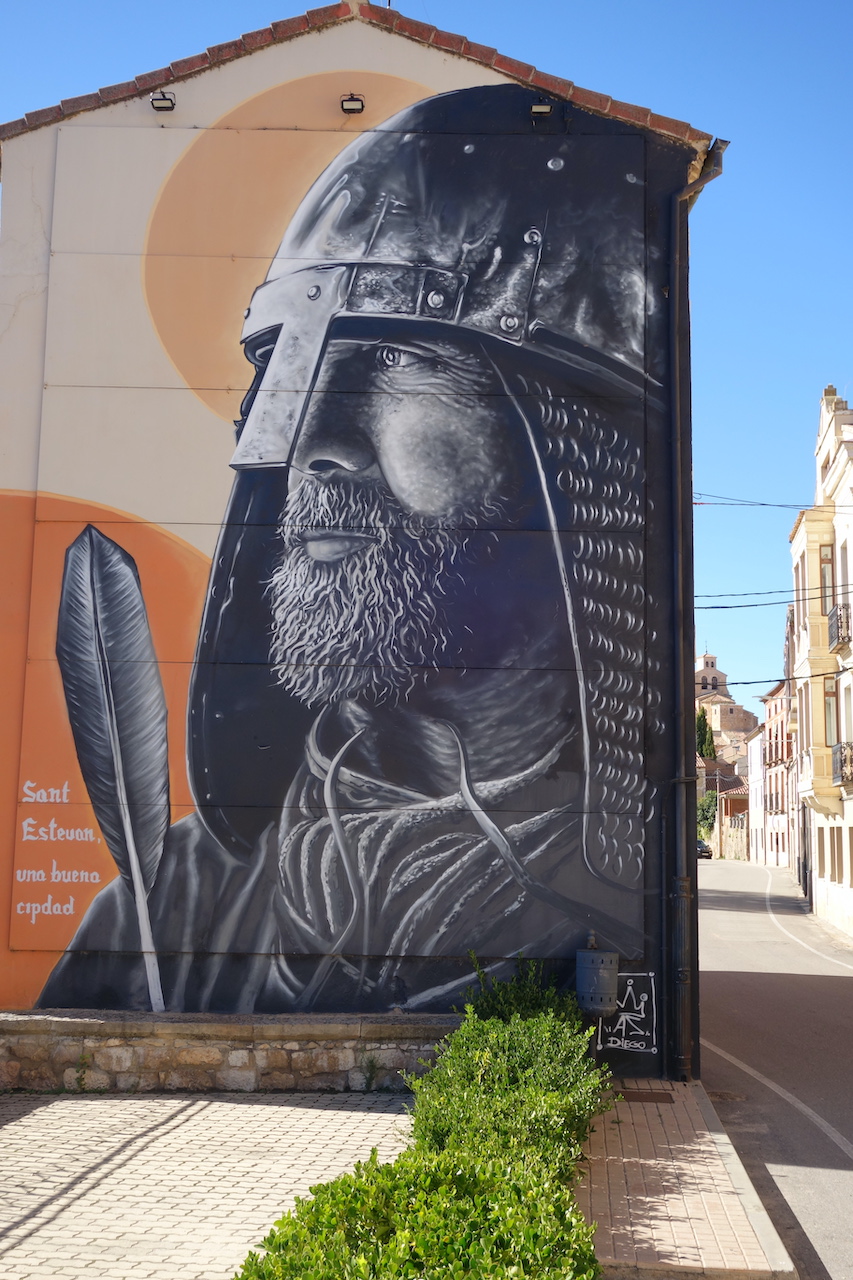
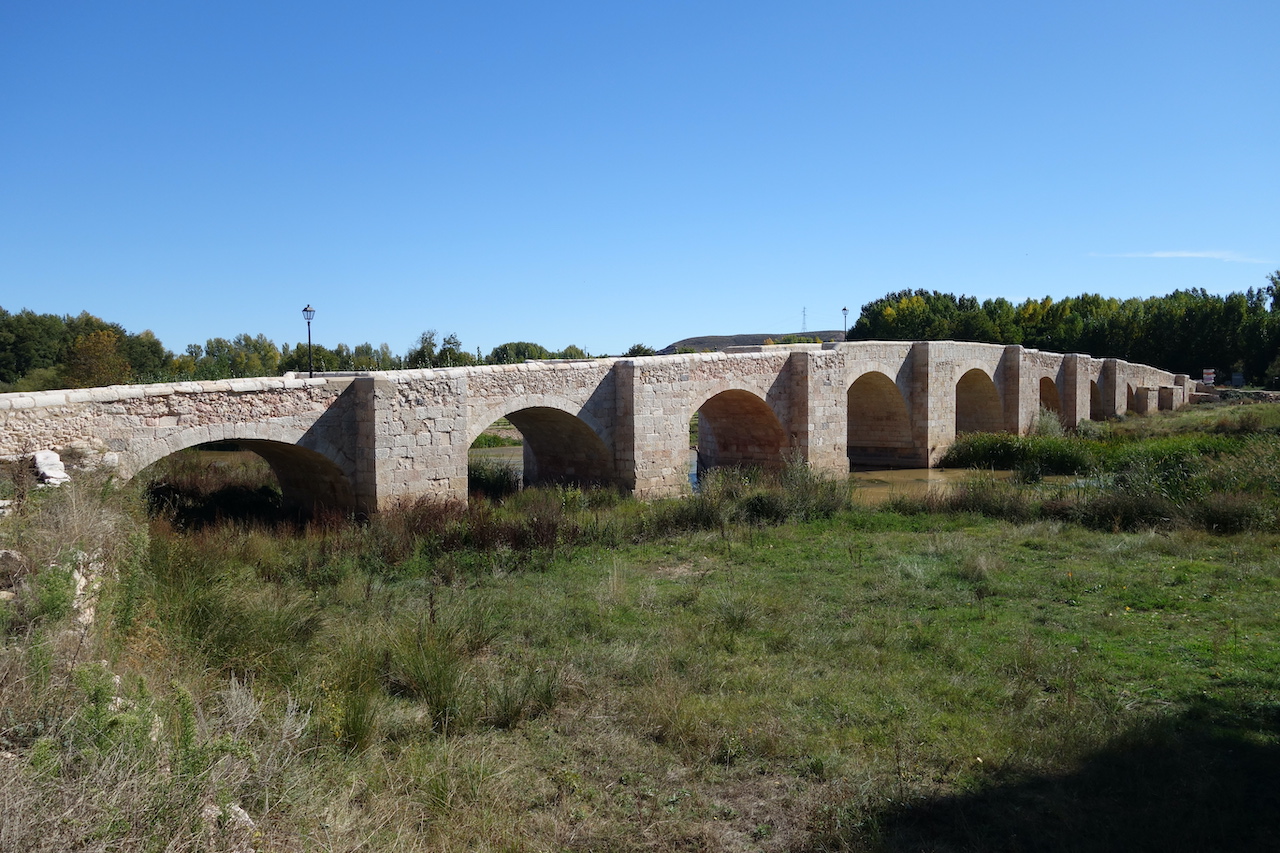
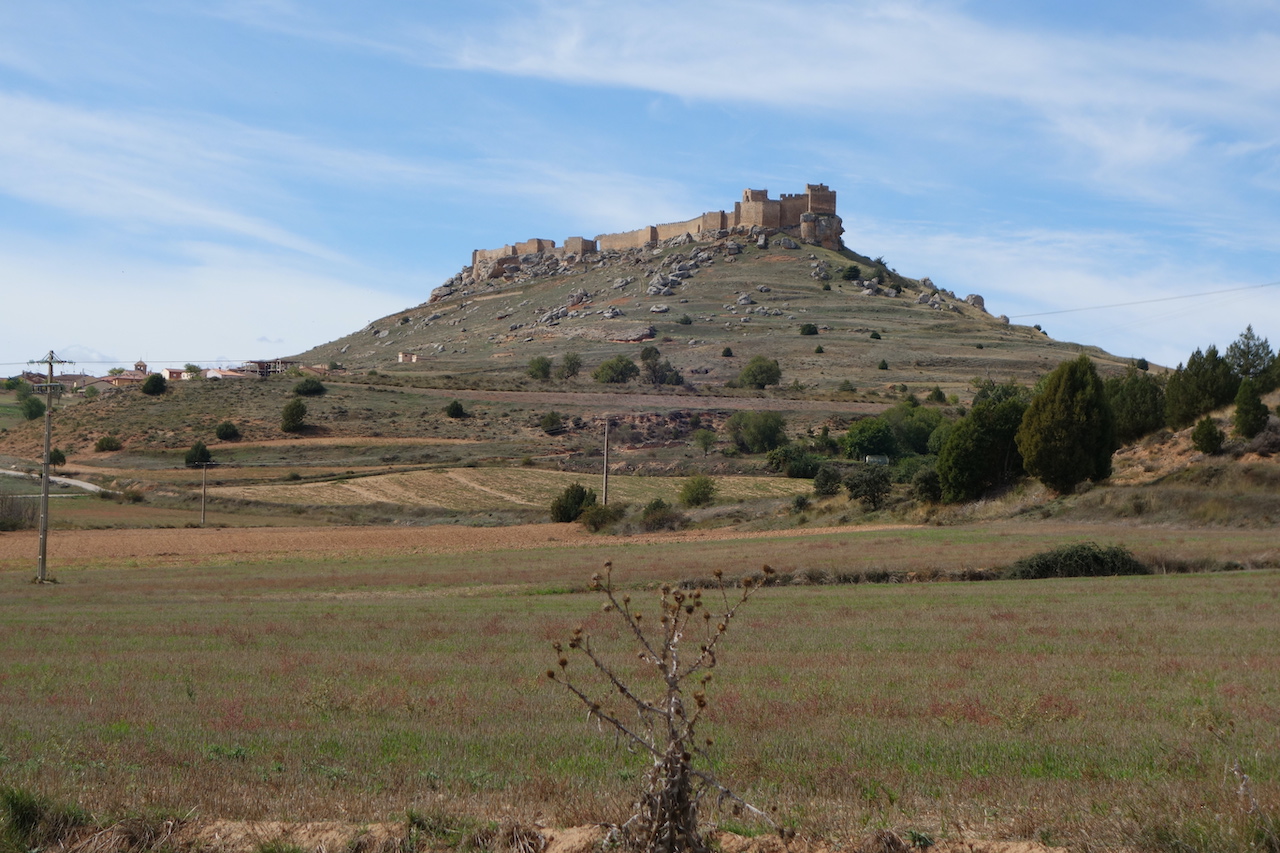
El Burgo de Osma finally gives me the chance to visit a real supermarket again. The city, founded in the early 12th century really is worth a stop to have a look at the impressive city walls, cathedral and central square. Just outside of town, there’s the Castillo de Osma. Riding in and out of the small town can go car free on the left bank of the Rio Ucero.

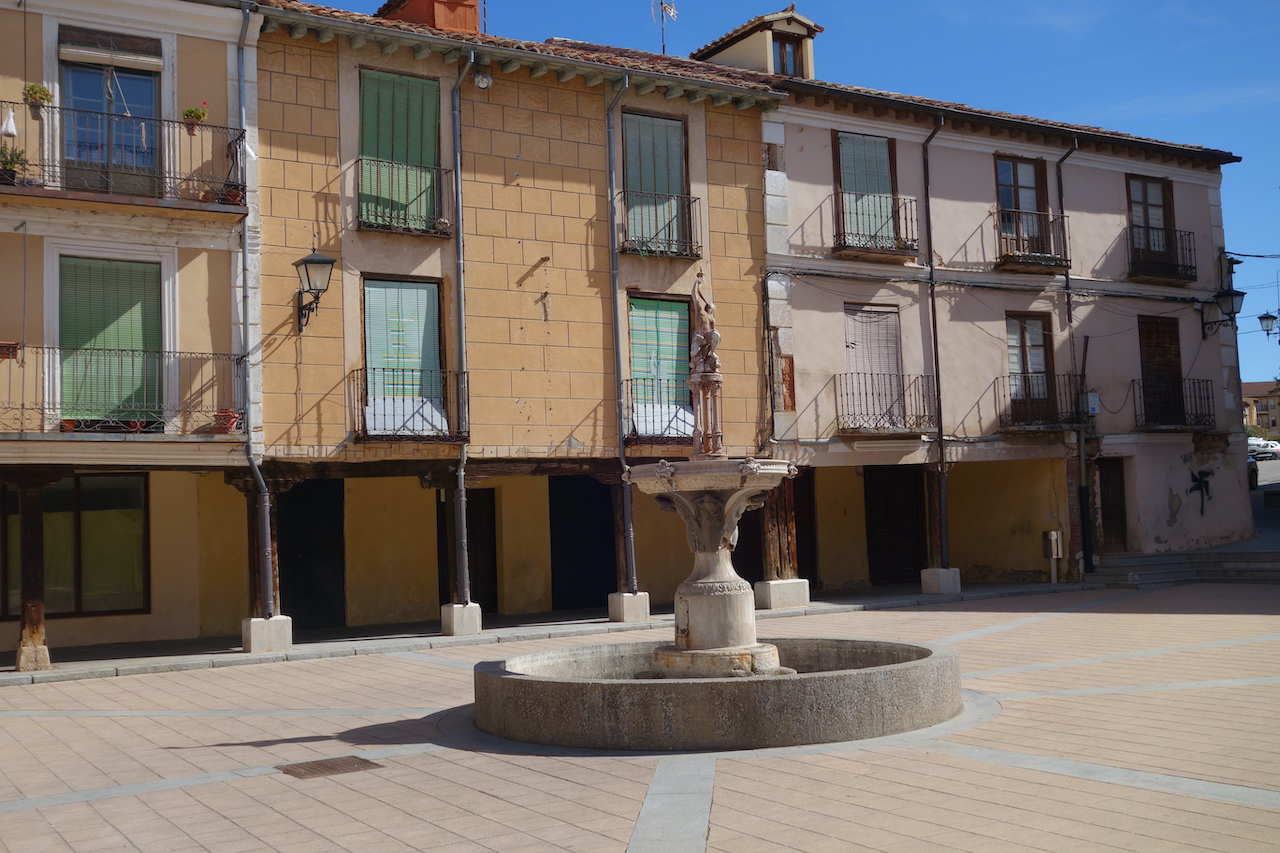





I was now heading to one of the bigger places on the Camino del Cid, Sigüenza.
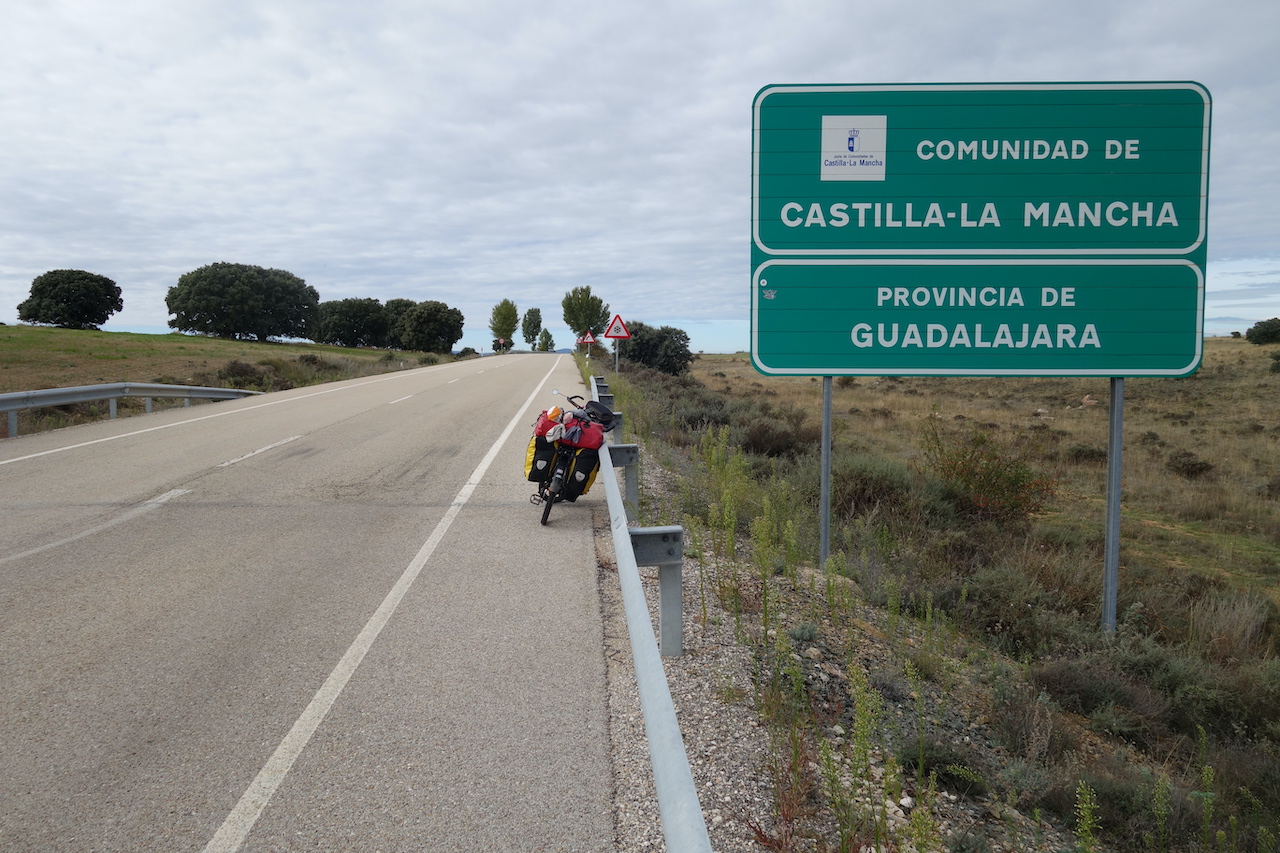
One must realize, in this area, you are constantly cycling at an elevation above 1.000 meter. Going away from the coast, a lot of the Spanish land is mountainous or on a high plateau. Spain is with an average elevation of 660 meter asl the fifth highest country in Europe, after Andorra, Switzerland, Montenegro, Austria and North Macedonia. (Neighbor France f.e. has an average elevation of only 375 meter asl.)



Next up, prt 2 of the Camino del Cid.
 Bike-A-Way
Hi Koen, I liked the notion of camping between baobab trees. Now I think immediately, have you been to baobab countries where you slept between those trees? I only started to know you after my Africa trip so I never knew you were there too?
It is also remarkable that you focus on architecture and that we all have our favorite things to go after. You sure did see a lot of rural Spain with it’s impressive architecture. Did you study something in this field: architecture or history?
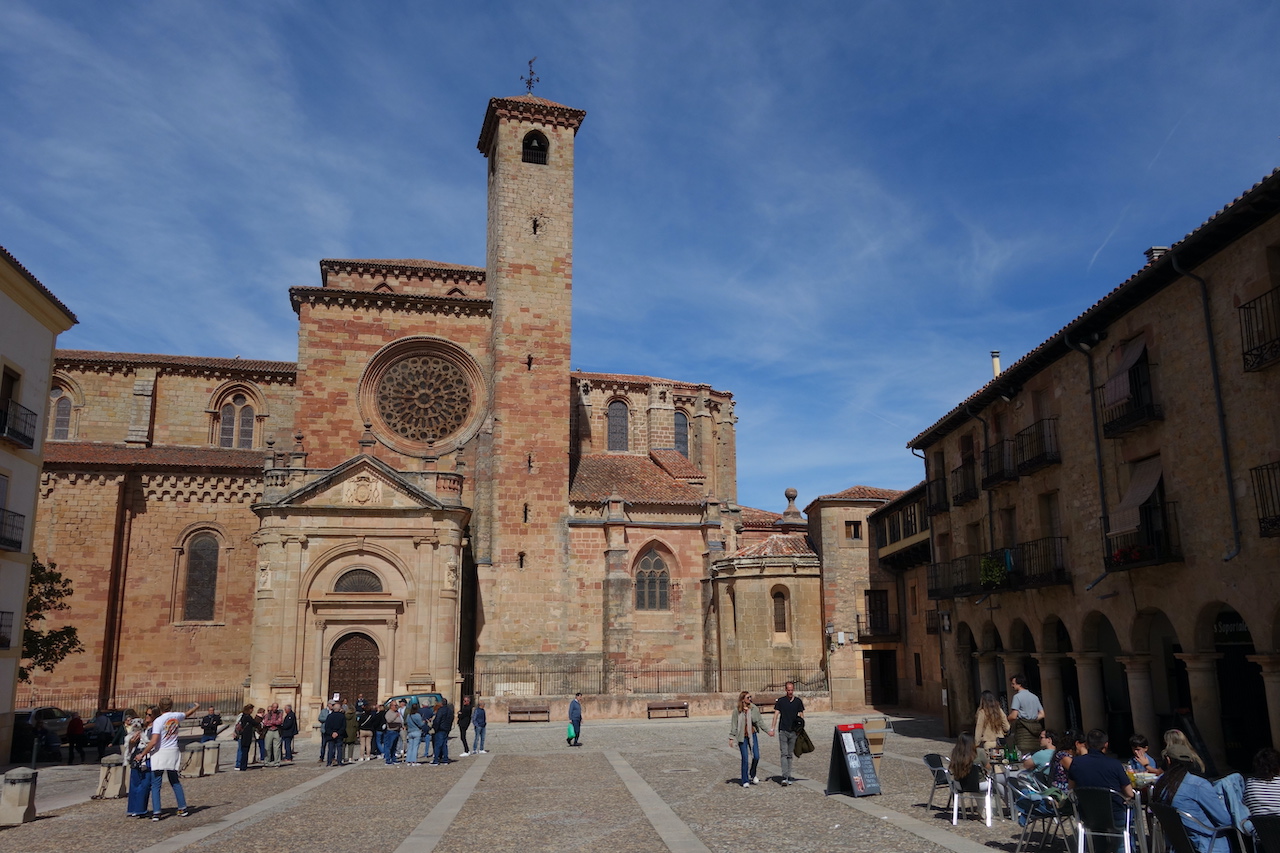
Siguenza looks pretty! Reminds me a bit of Arabic architecture. I always find it a pity that those towns have become open air musea where people sit on terraces and little else is there to do. Even shops for the locals have mostly gone.
Greetings Cindy (working on her own Spain blogs now)
LikeLike
Hey Cindy,
Nope, never stayed in countries where the baobab grows. In Africa I only went twice to Morocco, once a tr ip in the Anti-Atlas, another time the Atlas & Sahara.
I like to visit old buildings / churches but without any background in architecture or religious motivation. But history and geography always were my favorite subjects in school 🙂
Rural Spain is amazing. The variety this country has to offer is hard to beat in Europe, I think. All the different regions often seem like another world from the previous. But you’ve seen lots of that yourself as well. 🙂
Greetings.
LikeLike
Hi Koen, aha, so I know you a little bit huh! You liked the subjects of history and geography most in school!
I agree that Spain offers a lot (but no decent food any longer, I will not bother you with my gezeur daarover ; )
I saw a lot of Spain too but not as much as you. Also the Baobab trees in Senegal but it is more relaxed to be among the Spanish baobab trees when you like your aloneness and hassle free camping experience.
LikeLike